From Qing court instrument-making to a national intangible cultural heritage tradition, the Wu family's story is one of preservation, performance, restoration, and innovation.
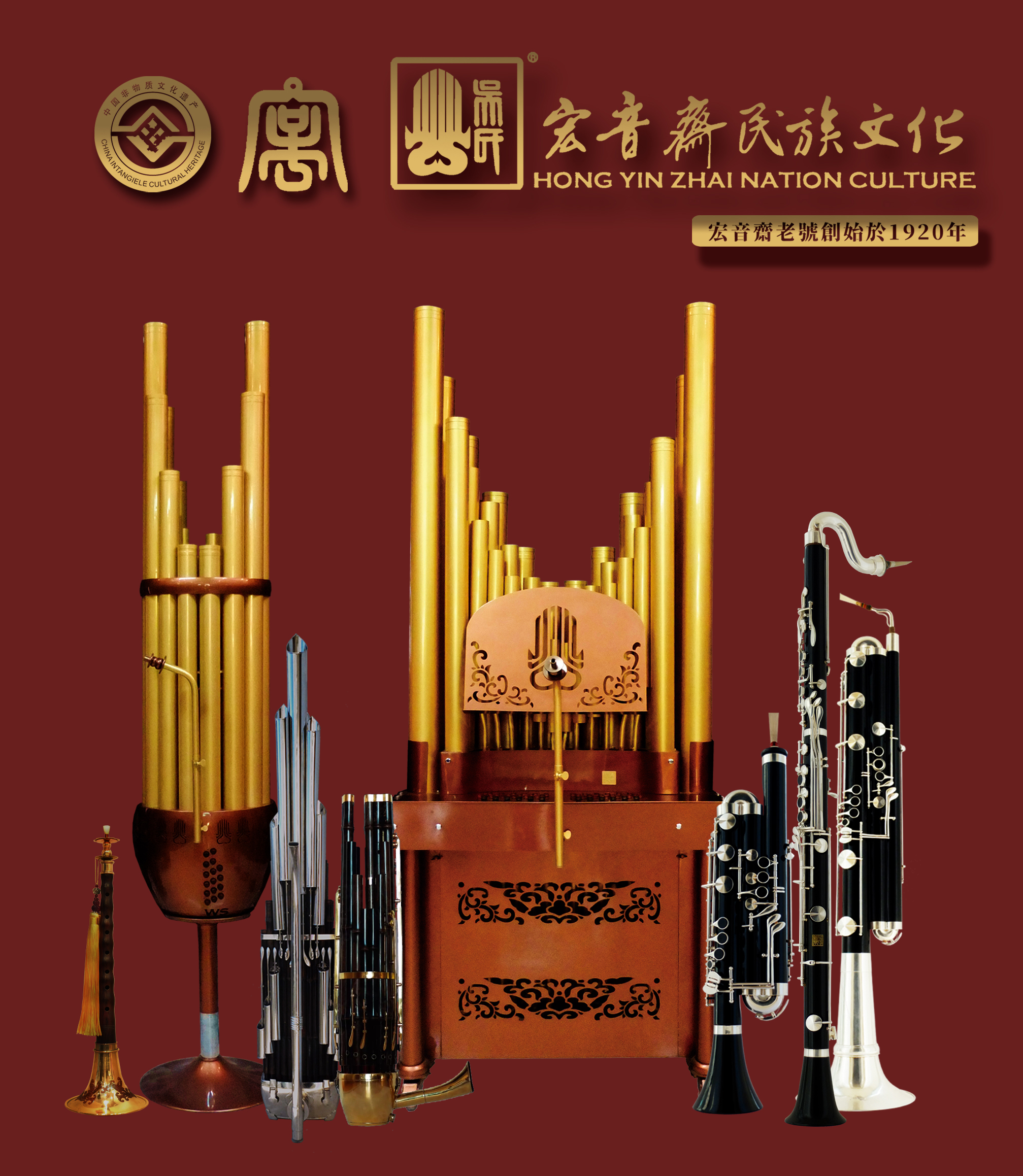
The official Chinese National Intangible Cultural Heritage database identifies Hongyin Zhai Sheng-and-Guan instrument making as a national-level traditional craft. It describes the practice as a Wu family tradition passed down for five generations and connected to instrument-making techniques inherited from the Qing court. citeturn0search0turn0search3
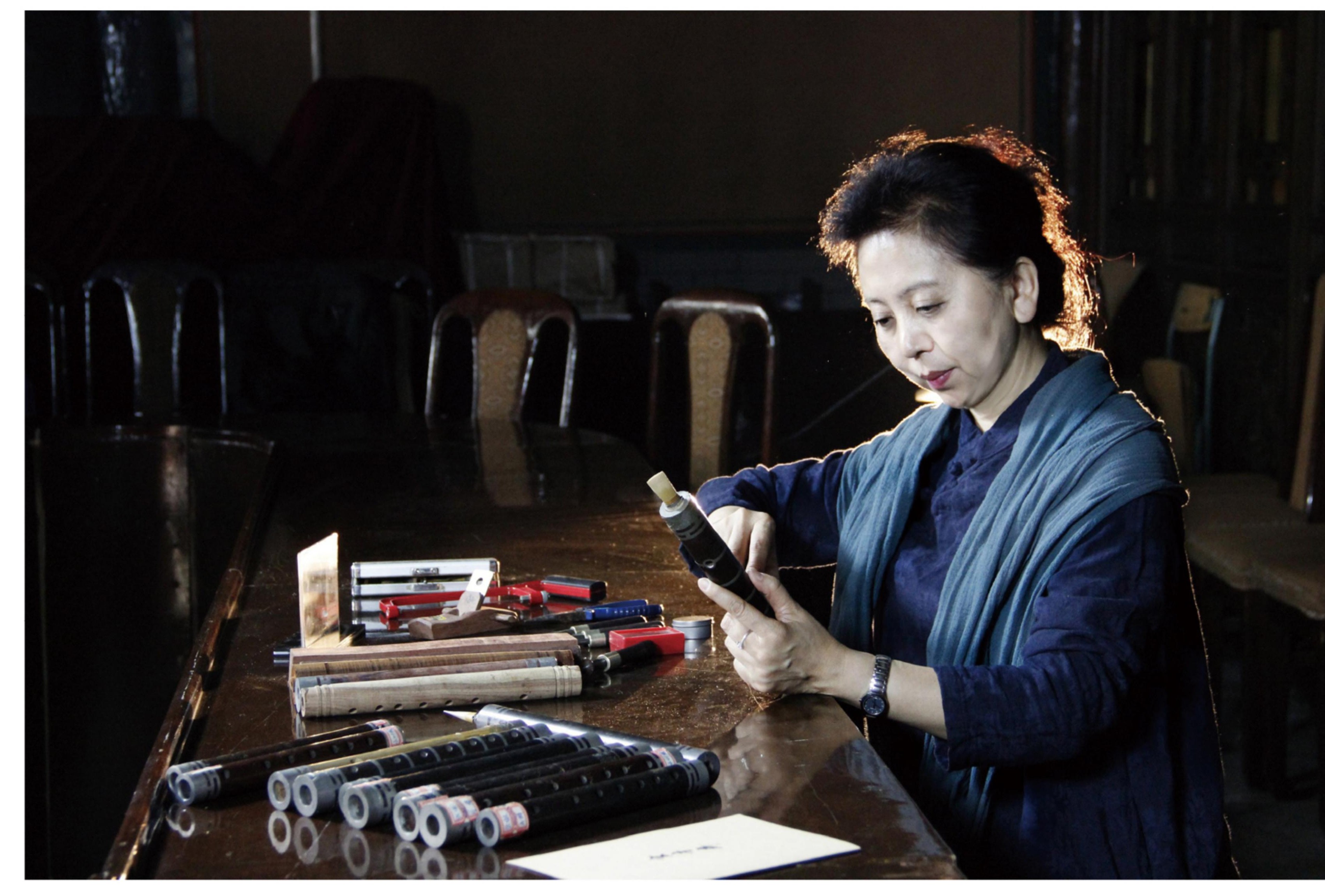
Wu Jingxin is the fourth-generation representative inheritor of the heritage project. The national heritage database records that she learned Sheng-and-Guan performance and instrument making from her father, Wu Zhongfu. It also records her work developing new instruments, restoring historical instruments, establishing an exhibition space, and creating performance and instrument-making training programs. citeturn0search1
The history of Hongyin Zhai shows a broader meaning of cultural heritage. The work includes traditional techniques, but it also includes restoration, research, instrument reform, new instrument development, teaching, and international cultural transmission. The Ministry of Culture has documented innovations including keyed suona, electronic Sheng, and other redesigned instruments. citeturn0search3
For an American audience, the value of this project is not simply to present an old instrument. It is to introduce the people, skills, history, sound, and continuing creative work behind a living tradition—and to create opportunities for that tradition to meet new audiences.
See how the Wu family tradition can become a platform for performance, education, preservation, and cultural exchange.
Wu's Wind Tradition ↗